Composite material structure forming technology
-
Core Technology: Composite material structure forming technology
-
Based on the smart material system, it is mainly positioned as a lightweight and high-strength solution for advanced composite materials.
-
(I) Technical Support for Composite Materials:
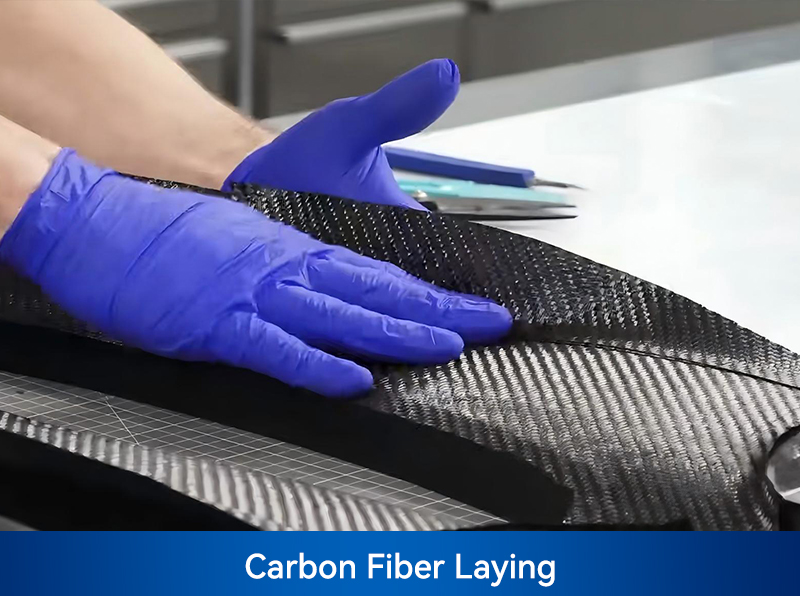
① Structural Composites: Prioritizing mechanical properties, they consist of a matrix (e.g., resin, metal) and reinforcement materials (e.g., carbon fiber, glass fiber). They are used in load-bearing structures such as aircraft wings and wind turbine blades.
② Functional Composites: Providing properties beyond mechanical performance, such as electrical conductivity, thermal conductivity, and friction resistance. For example, conductive composites are applied in electronic devices.
(II) Technical Support for Molding Processes:
① Hand Lay-up Molding
Process Flow: Fiber laying → Resin impregnation → Curing and demolding.
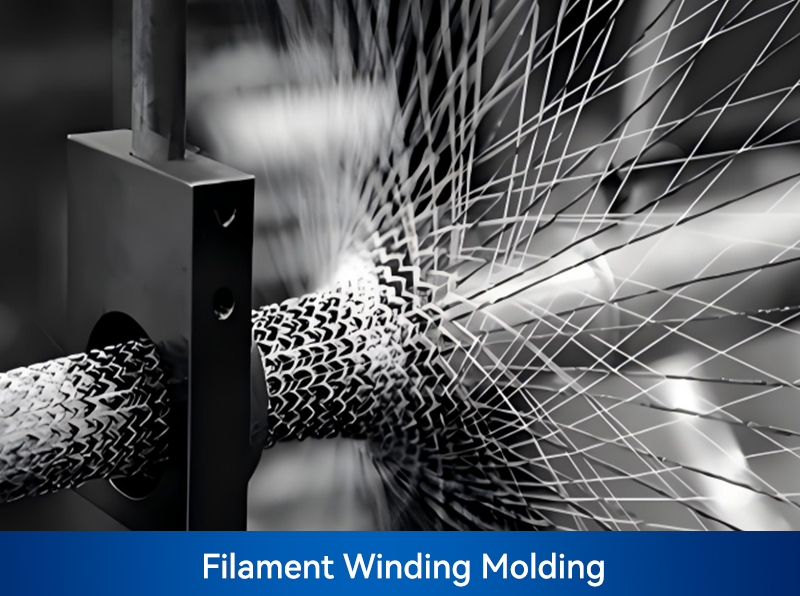
② Filament Winding Molding
Process Flow: Mandrel treatment → Fiber resin impregnation → Winding and layering → Curing and demolding.
③ Pultrusion Molding
Process Flow: Fiber resin impregnation → Heating and curing → Cutting and shaping.
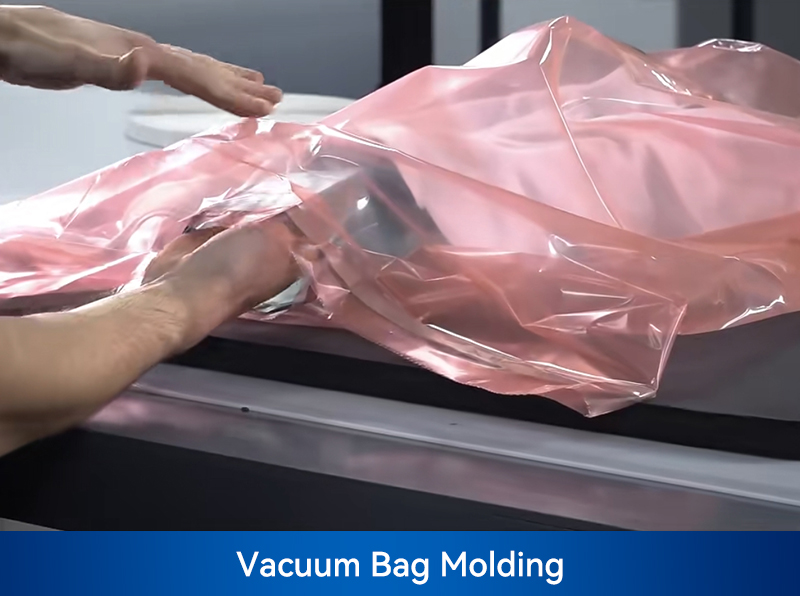
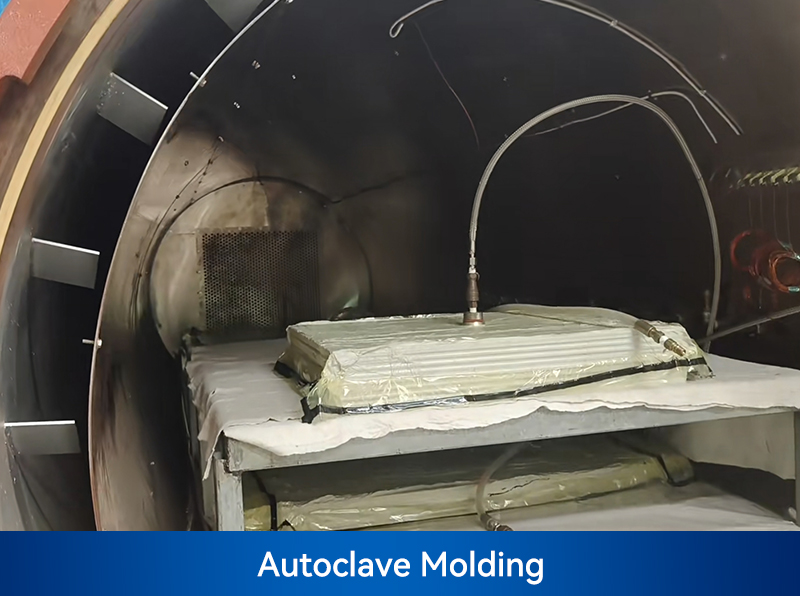
④ Vacuum Bag Molding
Process Flow: Impregnate reinforcement materials and resin in a vacuum bag → Remove air bubbles and apply heat and pressure → Obtain the final product.
⑤ Resin Transfer Molding (RTM)
Process Flow: Place fiber preforms into the mold → Inject resin → Curing.


 Contact information: 020-66668888
 E-mail: TechMold@126.com
 Official Website: http://www.gzzhimo.com
 Address: Room 02, 2nd Floor, Building D, Guangzhou Laser and Additive Manufacturing Industrial Park, Hailong Street, Liwan District, Guangzhou City



 Home
Home